
Unlocking the Weird and Wonderful World of Butterfly Senses
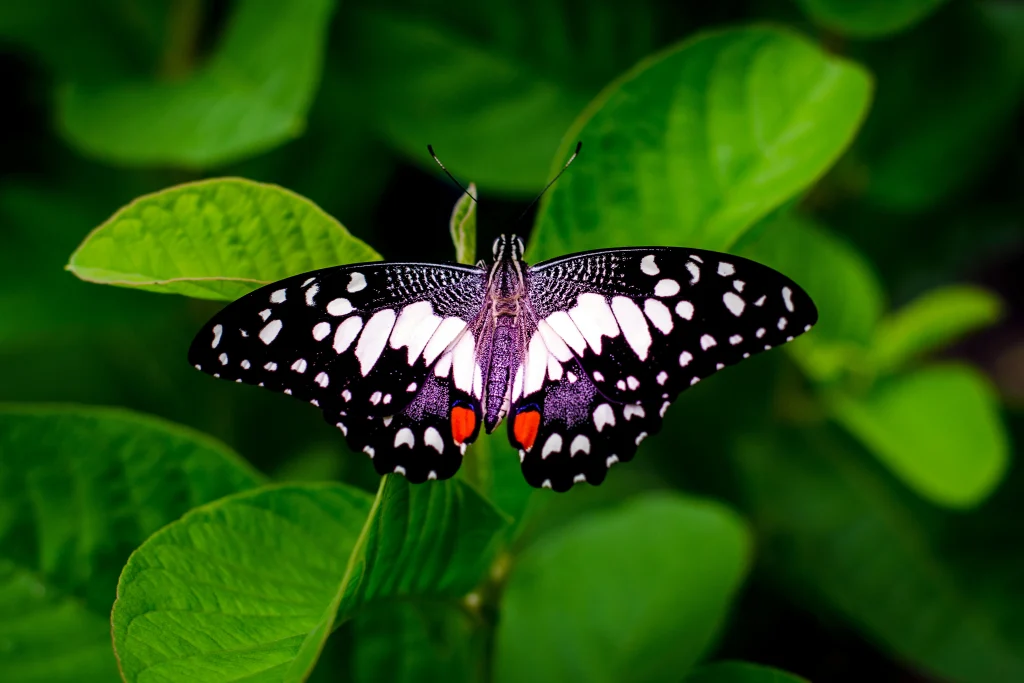
When you think of butterflies, you probably imagine delicate wings, vibrant colors, and gentle flights through flower-filled gardens. But did you know these graceful creatures have a secret superpower?
👉 Butterflies can taste with their feet!
Yes, really. These fragile insects don’t need to use a mouth or a tongue to figure out if something is edible — they simply land on it. Let’s dive into this fascinating fact and see how it works.
🧬 The Science Behind It: How Butterflies Taste With Their Feet
Butterflies have chemoreceptors on their feet — tiny sensory organs that allow them to “taste” chemicals in their environment. These sensors are highly specialized and sensitive to specific compounds found in plants.
When a butterfly lands on a leaf or flower, its feet instantly pick up chemical cues. In just seconds, the butterfly can determine:
- Whether the plant is a suitable place to lay eggs
- If the plant is toxic or safe for caterpillars
- Whether it’s a good nectar source
So while we might walk over something without a second thought, a butterfly landing on a leaf is conducting a full-blown chemical investigation.
🐛 Why Do They Need to Taste Plants?
The ability to taste with their feet is especially important for female butterflies, whose main concern (besides surviving) is laying eggs in the right place. Some caterpillars can only eat specific plants — if the mother butterfly lays eggs on the wrong one, the caterpillars may not survive.
For example:
- Monarch butterflies only lay their eggs on milkweed.
- Pipevine swallowtails prefer Aristolochia plants.
- Some species are so picky that they reject plants with just minor chemical differences.
This high-stakes decision makes tasting plants with their feet an evolutionary advantage — one that ensures the next generation of butterflies has a fighting chance.
🌼 Butterflies Are Expert Tasters (and Sniffers)
Feet aren’t the only sensory superstars on a butterfly. They also have:
- Antennae to smell scents and locate mates or flowers.
- Proboscis (a long, straw-like tongue) to sip nectar — not for tasting!
- Eyes that see ultraviolet patterns on flowers invisible to humans.
Their world is rich with signals we can’t even perceive. Where we see a flower, a butterfly sees a landing pad full of food, cues, and instructions.
🧠 Fun Fact: Caterpillars Can Taste Too!
Before butterflies can taste with their feet, they start life as caterpillars — and guess what?
Caterpillars have taste organs on their mouths, not feet, and they use them to test leaves before munching away. Some even bite a leaf and spit it out if it’s not to their liking.
🎉 Final Thoughts: A World Beneath Our Feet
The next time you see a butterfly delicately land on a flower or leaf, know that it’s not just resting or looking pretty — it might be tasting its surroundings, analyzing its environment, or planning the future for its young.
In a world where taste usually happens in the mouth, butterflies break the mold — showing us once again that nature is full of surprises.