
Diabetic Man Starts Producing
Insulin After Receiving World’s First Gene Edited Pancreatic Cells In Historic Breakthrough
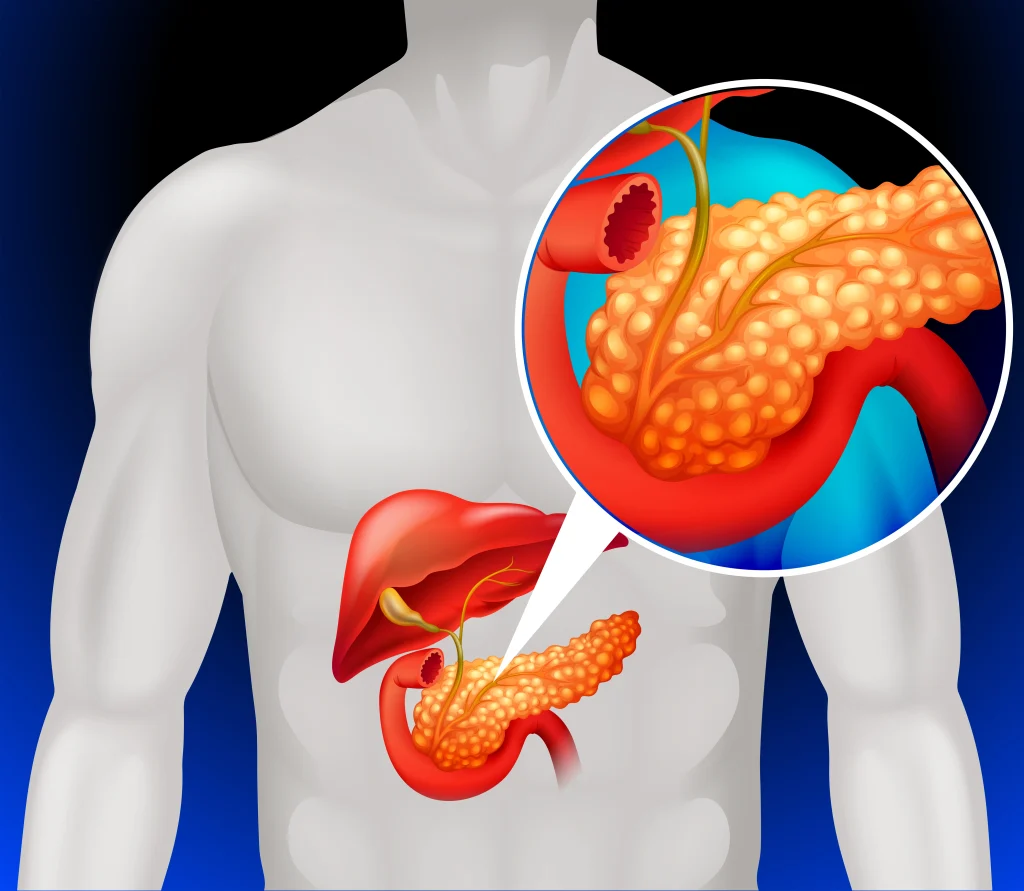
In a stunning medical breakthrough, a man with type 1 diabetes has started producing his own insulin again, thanks to receiving the world’s first transplant of gene edited pancreatic cells.
Doctors had long dreamed of reversing diabetes, a condition where the body’s immune system destroys insulin producing cells in the pancreas. But this time, using CRISPR gene editing technology, scientists engineered lab grown pancreatic cells that were immune system resistant meaning the body wouldn’t attack them after transplantation.
The patient, who previously relied on daily insulin injections to survive, began naturally regulating his blood sugar within weeks of the procedure. His insulin levels, once nonexistent, are now steadily rising something once thought impossible without a fully functioning pancreas.
This treatment marks a paradigm shift in how we think about chronic disease. Instead of managing symptoms, this therapy restores the body’s natural ability to function, potentially offering millions of diabetics a life free from insulin dependency.
Researchers are still closely monitoring the patient, but early results are so promising that clinical trials are already being expanded. If successful, this could pave the way for curing, not just treating, type 1 diabetes using a person’s own gene edited cells.
Science didn’t just make history, it may have just changed the future of diabetes forever.